Natural Stone, Marble and Engineered Quartz from Vietnam: A Buyer’s Guide

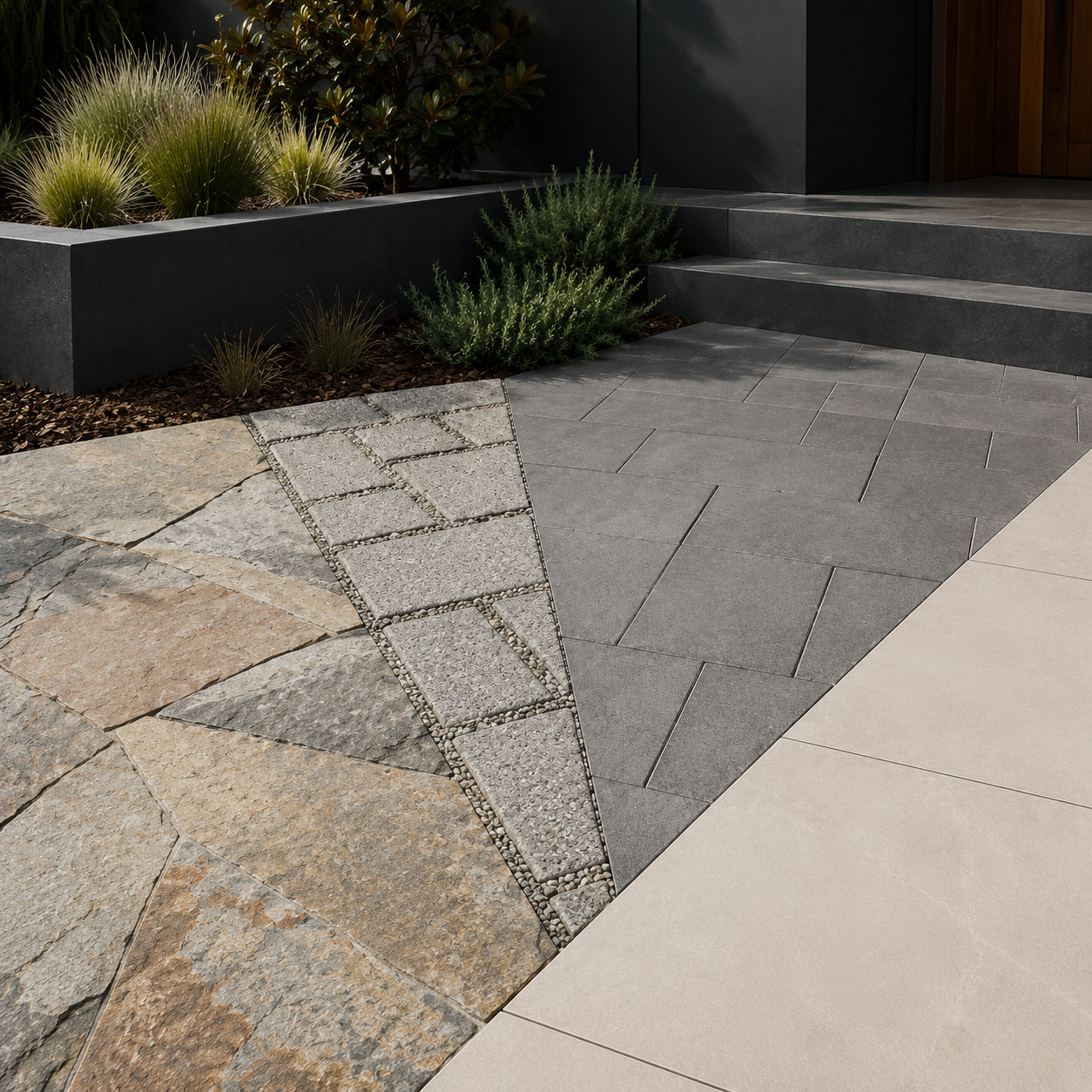
Vietnam is associated with natural stone, fabricated stone products and engineered quartz manufacturing. Buyers still need to separate three different questions: where the raw material was quarried, where it was processed, and who manufactured or supplied the finished product. “Made in Vietnam” does not automatically mean the stone was quarried in Vietnam.
Natural stone and engineered quartz are different products
Natural stone—including granite, marble, limestone and basalt—is quarried and cut from geological material. Each piece carries natural variation and may require sealing or application-specific care. Engineered quartz is manufactured from mineral aggregates, binders and pigments into controlled slabs. It can offer more consistent patterning and low porosity, but suitability still depends on the manufacturer’s technical data and the intended environment.
Start with the application
- Interior benchtop, vanity or wall lining.
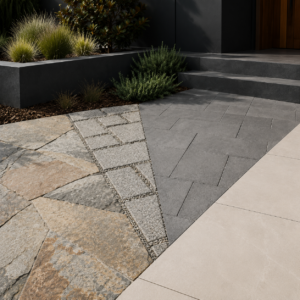
- Exterior paving, steps, cladding or coping.
- Wet area, pool environment or food-preparation surface.
- Pedestrian, vehicular or decorative loading.
- Freeze, salt, chemical, heat or ultraviolet exposure.
A product that performs well as an interior benchtop may be unsuitable for exterior paving. Obtain written confirmation for the actual use; do not rely on appearance or a generic sample label.
The minimum specification package
- Exact material and commercial name.
- Quarry or raw-material origin where relevant, plus processing location.
- Nominal and permitted thickness variation.
- Dimensions, edge profile, finish and surface treatment.
- Colour range and approved control sample.
- Relevant test data for absorption, strength, abrasion and slip resistance where required.
- Fabrication drawings, fixing method and substrate requirements.
- Packing, crate construction, moisture protection and container loading plan.
Control natural variation before production
Natural veining and colour movement are part of the value of stone, but uncontrolled variation can cause disputes. Approve representative samples, define the acceptable range, request dry-lay photographs for larger projects and retain reference pieces. Confirm whether repairs, resin fills, mesh backing or surface treatments are permitted.
Quality and compliance hold points
Use hold points before block or slab selection, before mass cutting, after the first finished pieces, before packing and on arrival. Confirm project-specific building, workplace-safety and fabrication requirements. Silica-containing products require competent handling and dust controls; do not cut or grind them without the appropriate legal, engineering and safety arrangements.
Commercial checks matter as much as the stone
Compare landed cost rather than factory price alone. Include samples, testing, crating, inland transport, freight, insurance, import charges, breakage allowance, local fabrication, replacement lead time and the cost of rejected batches. Confirm the direct contracting party and do not treat supplier stock as ONZKO-owned inventory.
Source note: Vicostone’s public information helped inform the engineered-quartz comparison. ONZKO’s sourcing governance requires supplier, origin, specification, compliance and availability to be independently validated before a product or project commitment is made.