How to Choose Realistic Artificial Flowers for Homes, Offices and Events

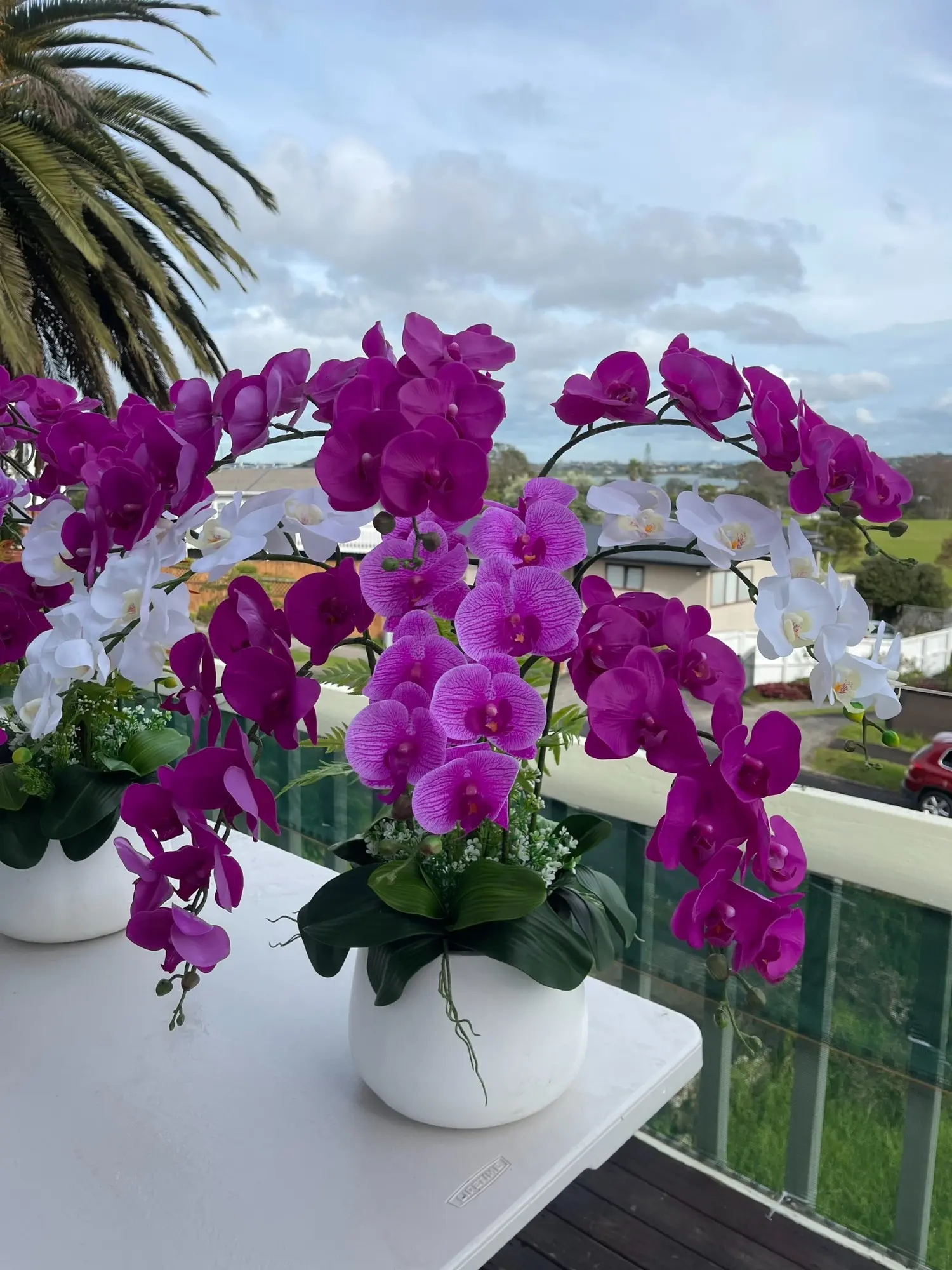
Good artificial flowers solve a practical design problem: they provide reliable colour and form where live flowers are difficult to maintain, seasonal availability is inconsistent, or a display must look presentable for longer than a few days. The result still depends on product quality, proportion and styling. A high price alone does not guarantee a convincing arrangement.
Start with the viewing distance
Decide where the arrangement will be seen. Reception counters, dining tables and retail displays are viewed at close range, so petal texture, leaf colour, stem transitions and container finish matter. High shelves, stage backdrops and large event installations are normally judged from farther away, where silhouette, scale and colour balance become more important than fine detail.
What makes artificial flowers look realistic?
- Natural variation: petals and leaves should not all sit at identical angles.
- Controlled colour: subtle tonal variation is more convincing than one flat, highly saturated colour.
- Believable transitions: check where flowers, buds and leaves connect to the stem.
- Appropriate foliage: leaves should suit the flower type and should not overpower the arrangement.
- Stable construction: stems should hold their position without exposing wire or weak joints.
Match the arrangement to the space
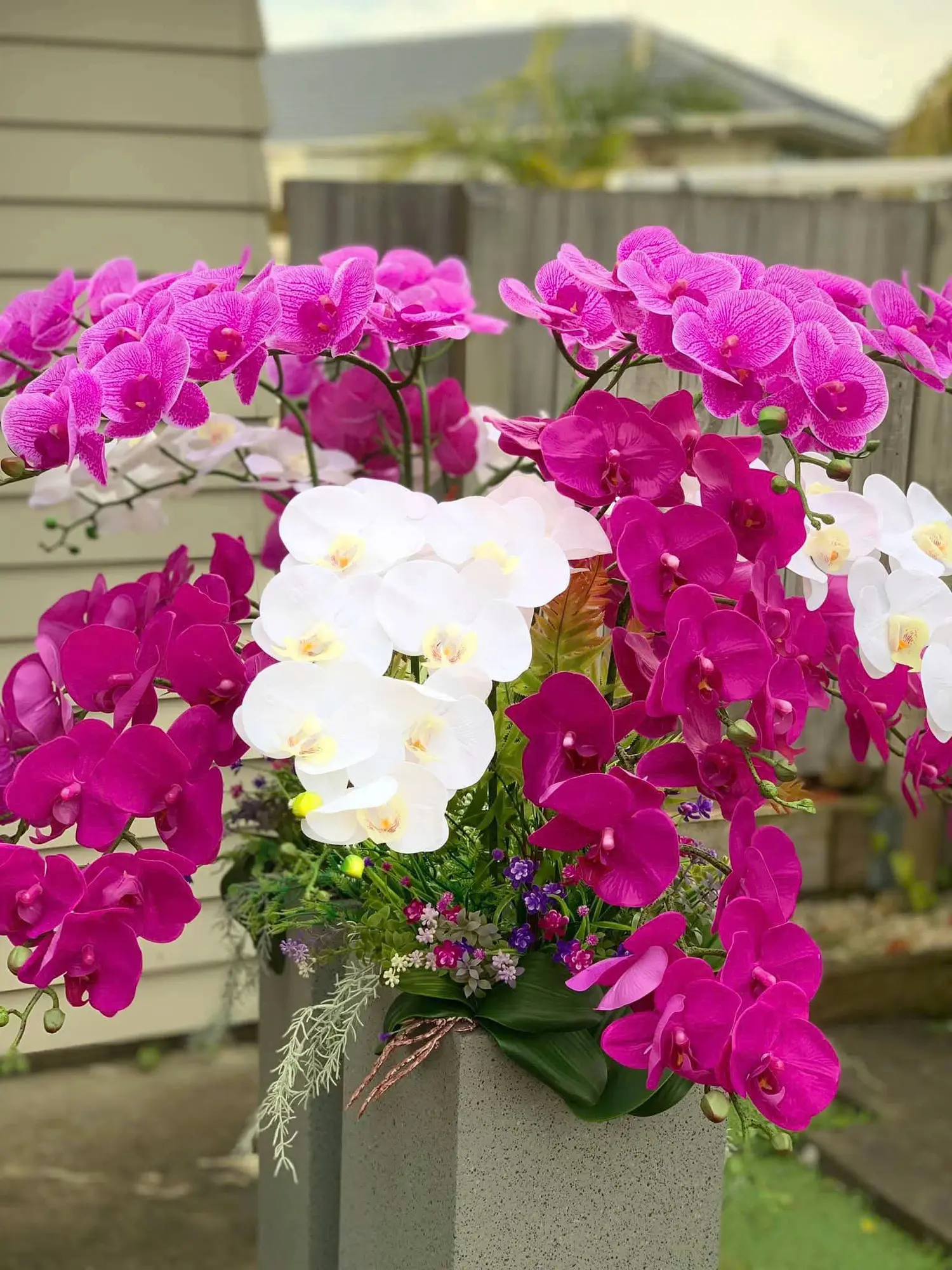
Measure the available height, width and depth before selecting the flowers. A reception arrangement must leave sightlines clear. A dining-table display should not block conversation. A statement piece in an entrance can be taller, but it still needs adequate visual weight at the base. Photograph the intended location from the normal viewing position and note nearby colours, materials and lighting.
The container is part of the design
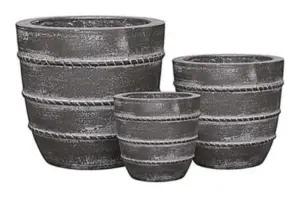
A lightweight arrangement in a tall narrow container can become unstable. Confirm the internal opening, overall weight, liner requirements and whether the vessel may mark furniture. Charcoal, warm white and natural-texture planters are versatile; a stronger colour should support the wider interior palette rather than compete with it.
Maintenance is low, not zero
Artificial arrangements still collect dust and can fade under strong ultraviolet exposure. Use a soft brush or low-suction vacuum attachment, spot-clean only after checking the material, and rotate displays exposed to direct sun. Avoid placing unverified products close to heaters, open flames or hot lighting. For commercial spaces, add cleaning and condition checks to the normal facilities schedule.
A useful enquiry brief
Send the location photo, maximum dimensions, preferred colours, viewing distance, indoor or sheltered-outdoor use, quantity, required date and approximate budget. For events, also confirm transport, installation, pack-down and whether the arrangement must be reusable.
Source note: This guide considers publicly available product and styling information from Holstens alongside ONZKO catalogue and project-selection principles. Supplier references do not confirm ONZKO stock, exclusivity or immediate availability.